
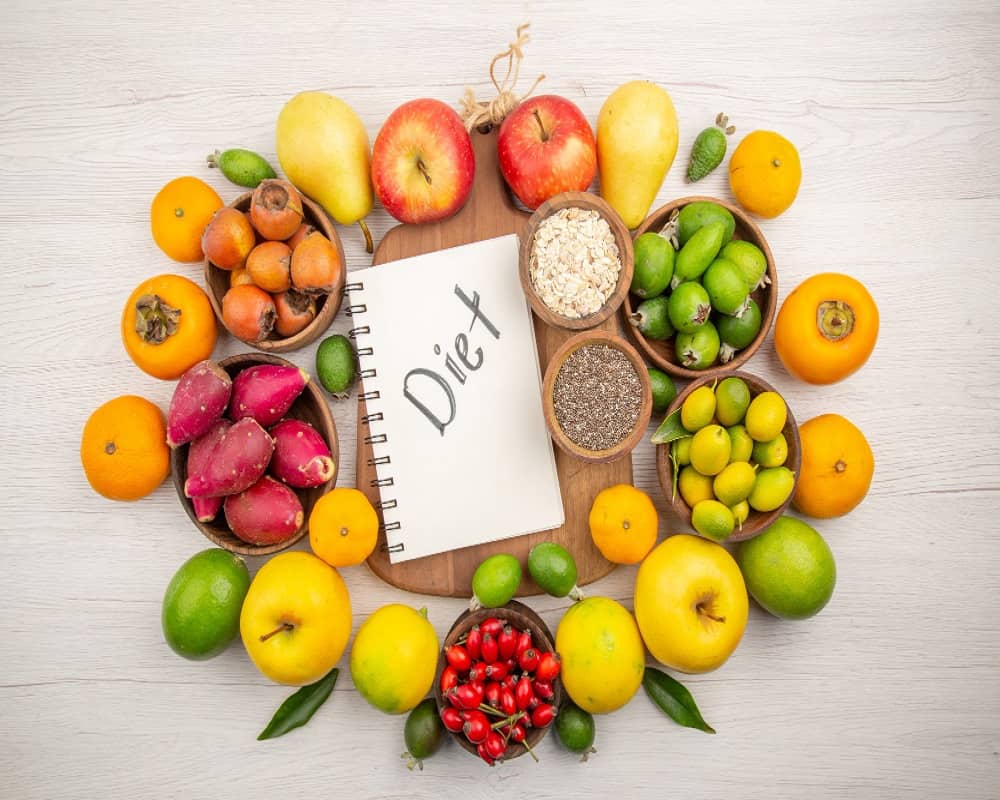
A strong immune system plays an important role in helping the body defend itself against infections and stay healthy. Along with regular exercise, good sleep, and a balanced diet, getting enough essential vitamins can support normal immune function. When people search for 5 vitamins that are best for boosting your immunity, they are often looking for simple ways to improve their daily nutrition.
Vitamins do not replace a healthy lifestyle or medical treatment, but certain vitamins are especially important for supporting the immune system. Let us look at five key nutrients and the foods that naturally provide them.
1. Vitamin C
Vitamin C is one of the most widely recognized nutrients associated with immune health. It acts as an antioxidant and supports several functions of the immune system.
The body does not store large amounts of vitamin C, so regular intake through food is important. Good sources include oranges, guava, amla, lemons, strawberries, tomatoes, capsicum, and other fruits and vegetables.
Including vitamin C-rich foods in everyday meals can help you maintain adequate intake while also adding more fresh produce to your diet.
2. Vitamin D
Vitamin D plays an important role in normal immune function. Unlike many vitamins, the body can produce vitamin D when the skin is exposed to sunlight. However, levels can vary depending on factors such as lifestyle, season, skin exposure, and diet.
Foods such as fortified milk, egg yolks, and fatty fish can contribute to vitamin D intake. For people concerned about low vitamin D levels, testing and professional guidance can help determine whether supplementation is appropriate.
3. Vitamin A
Vitamin A supports the normal function of the body’s immune defenses and helps maintain healthy skin and tissues that act as protective barriers.
You can find vitamin A in foods such as carrots, sweet potatoes, spinach, pumpkin, and other colourful vegetables. Some animal foods, including eggs and dairy products, also provide vitamin A.
Adding a variety of colourful vegetables to your meals is an easy way to improve your overall nutrient intake.
4. Vitamin E
Vitamin E is another important antioxidant that helps protect cells from oxidative stress. It also contributes to normal immune function.
Nuts and seeds are excellent sources of vitamin E. Almonds, sunflower seeds, peanuts, and vegetable oils can all contribute to daily intake. Green leafy vegetables and some fortified foods may also provide this vitamin.
Since nuts and seeds are calorie-dense, enjoying sensible portions can help you get their nutritional benefits as part of a balanced diet.
5. Vitamin B6
Vitamin B6 is involved in many processes in the body, including normal immune function. It helps support the body’s metabolism and the production of important compounds involved in immune responses.
Foods that provide vitamin B6 include bananas, chickpeas, poultry, fish, potatoes, and fortified cereals. Eating a varied diet usually helps provide this nutrient along with other essential vitamins and minerals.
How to Get These Vitamins Through Your Diet
The best way to support overall nutrition is to focus on a varied and balanced diet rather than relying on one food or supplement. Include fruits, vegetables, whole grains, pulses, nuts, seeds, dairy or suitable alternatives, and good sources of protein in your regular meals.
For people whose diets may not provide enough essential nutrients, multivitamin and multimineral capsules may be considered in certain situations. However, supplements are not automatically necessary for everyone. It is better to choose them based on individual nutritional needs and professional advice.
Can Vitamins Alone Boost Immunity?
No single vitamin can make the immune system stronger overnight. Immune health depends on many factors, including adequate nutrition, sleep, physical activity, stress management, hygiene, and overall health.
It is also important to avoid taking high doses of supplements without guidance. More is not always better, and excessive intake of some vitamins can cause health problems.
A sensible approach is to maintain a balanced diet and address any confirmed nutritional deficiencies with appropriate guidance.
Simple Habits for Better Immune Support
Along with getting essential vitamins, small daily habits can make a difference. Drink enough water, eat a variety of whole foods, stay physically active, get sufficient sleep, and manage stress as much as possible.
Rather than focusing on a single “immunity booster,” think about building healthy routines that support your body consistently.
Conclusion
Understanding the 5 vitamins that are best for boosting your immunity can help you make smarter food choices and support your overall nutritional health. Vitamins C, D, A, E, and B6 all have important roles in normal immune function, but they work best as part of a balanced lifestyle.
Choose nutrient-rich foods regularly, avoid unnecessary high-dose supplements, and seek professional advice when you have concerns about deficiencies or specific health needs.
FAQs
1. Which vitamin is best for immunity?
There is no single best vitamin for immunity. Vitamins C, D, A, E, and B6 all play important roles in normal immune function.
2. Can vitamin C prevent infections?
Vitamin C supports normal immune function, but it should not be considered a guaranteed way to prevent infections.
3. How can I get vitamin D naturally?
The body can make vitamin D through sun exposure, while foods such as fortified dairy products, eggs, and fatty fish can also contribute.
4. Are immunity supplements necessary for everyone?
No. Many people can meet their nutritional needs through a balanced diet. Supplements may be useful in certain cases, particularly when a deficiency is identified.
5. Can I take multiple vitamin supplements together?
Taking several supplements together can sometimes lead to excessive intake of certain nutrients. It is best to check the ingredients and seek professional advice before combining products.