
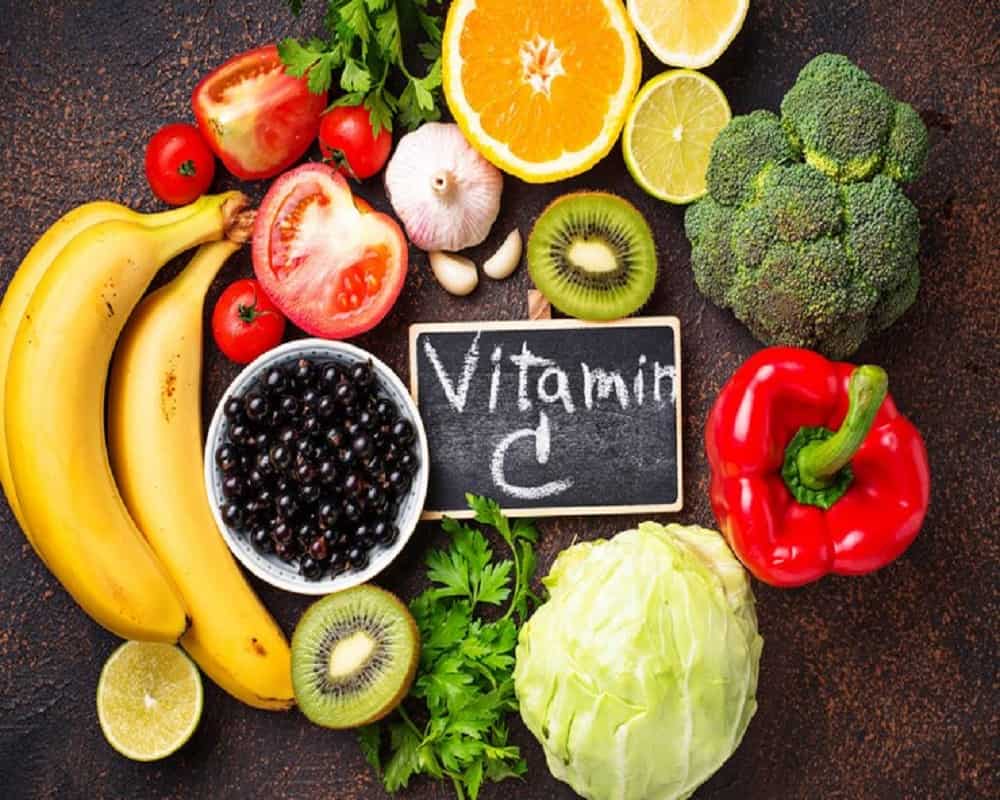
A strong immune system helps your body defend itself against everyday health challenges. While no single nutrient can guarantee perfect health, the right vitamins play an important role in supporting normal immune function. This is why many people look for immune system booster vitamins as part of their daily wellness routine.
Understanding how immunity works and how vitamins contribute to immune health can help you make informed decisions about your nutrition and lifestyle. Whether you are a busy professional, a parent, or simply someone focused on wellness, learning about vitamins for immunity is a valuable step toward maintaining overall health.
What Are Immune System Booster Vitamins?
Immune system booster vitamins are nutrients that support the normal functioning of the body’s immune system. These vitamins help various immune cells perform their roles effectively and contribute to overall immune system health.
Common vitamins found in immune support supplements include vitamin C, vitamin D, vitamin A, vitamin E, and several B-complex vitamins. Many formulations also contain minerals such as zinc for immune health because minerals work alongside vitamins to support immunity.
It is important to understand that these vitamins do not act as a magic shield against illness. Instead, they help the body maintain a healthy immune system when combined with good nutrition and healthy habits.
How Does the Immune System Work?
The immune system is a complex network of cells, tissues, and organs that work together to protect the body. Its primary job is to identify and respond to harmful substances such as bacteria, viruses, and other foreign invaders.
When the body detects a potential threat, immune cells communicate with each other and launch a defense response. White blood cells, antibodies, and other immune components help recognize and neutralize harmful organisms.
A healthy immune system depends on many factors, including adequate nutrition, quality sleep, physical activity, hydration, and stress management. Without proper nutritional support, immune cells may not function as efficiently as they should.
Why Vitamins Are Important for Immune Health
Many people ask why vitamins matter so much for immunity support. The answer is simple. Vitamins help support important biological processes that allow the immune system to work properly.
Vitamin C for immunity is well known because it supports the production and function of certain immune cells. Vitamin D benefits include supporting immune regulation and helping the body maintain balanced immune responses.
Vitamin A contributes to the health of the skin and mucous membranes, which serve as the body’s first line of defense. Vitamin E acts as an antioxidant and helps protect cells from oxidative stress. Meanwhile, B-complex vitamins support energy production and various cellular functions involved in immune health.
When the body receives adequate nutritional support, it can better maintain normal immune function and overall wellness.
Key Vitamins and Minerals That Support Immunity
Several nutrients are commonly associated with immune system booster vitamins because of their role in supporting immune function.
Vitamin C is found in citrus fruits, amla, guava, and bell peppers. It is one of the most widely recognized vitamins for immunity.
Vitamin D can be obtained through sunlight exposure, fortified foods, and supplements. Many people consider vitamin D benefits important because deficiency is relatively common.
Vitamin A supports vision and immune health and can be found in carrots, sweet potatoes, and leafy greens.
Vitamin E, present in nuts and seeds, helps protect cells from oxidative damage.
B-complex vitamins support overall wellness and healthy metabolism.
Zinc for immune health is equally important because it plays a role in immune cell development and communication. Many immune support supplements combine these nutrients to provide comprehensive daily wellness supplements.
How Immune System Booster Vitamins Work in the Body
Immune system booster vitamins support the body by helping immune cells function efficiently. They contribute to cellular communication, antioxidant protection, tissue repair, and other important biological processes.
For example, vitamin C supports immune cell activity and antioxidant defense. Vitamin D helps regulate immune responses. Zinc supports the development and function of various immune cells.
However, these nutrients work best when they are part of a balanced lifestyle. Taking supplements while ignoring sleep, hydration, or nutrition may limit their potential benefits.
This is why healthcare professionals often emphasize combining nutritional supplements with healthy lifestyle habits. Vitamins provide support, but overall wellness depends on multiple factors working together.
Natural Food Sources vs Vitamin Supplements
A common question is whether food or supplements are better for immune health. In most cases, a balanced diet should be the primary source of essential nutrients.
Foods such as fruits, vegetables, whole grains, nuts, seeds, dairy products, and lean proteins provide vitamins along with fiber and other beneficial compounds. These natural immunity boosters support overall health in many ways.
However, some individuals may have increased nutritional needs or dietary gaps. In such situations, immune support supplements may help provide additional nutritional support. Supplements should complement a healthy diet rather than replace it.
Consulting a healthcare professional can help determine whether supplementation is appropriate for your individual needs.
Simple Habits That Help Maintain a Healthy Immune System
While immune system booster vitamins can provide valuable support, daily habits remain equally important. Getting seven to eight hours of quality sleep helps the body recover and maintain normal immune function.
Regular exercise supports circulation and overall wellness. Staying hydrated allows important bodily processes to function properly. Managing stress through relaxation techniques, hobbies, or mindfulness can also contribute to better immune system health.
Eating a balanced diet rich in fruits, vegetables, and whole foods remains one of the most effective ways to support long-term wellness and immunity support.
Conclusion
Immune system booster vitamins play an important role in supporting normal immune function and overall wellness. Nutrients such as vitamin C, vitamin D, vitamin A, vitamin E, B-complex vitamins, and zinc contribute to immune health through different mechanisms. However, supplements work best when combined with healthy lifestyle habits such as proper nutrition, quality sleep, regular exercise, hydration, and stress management.
In conclusion, be sure to check out this blog: Improve your family immune system. By taking a balanced approach to wellness, you can support your body’s natural defenses and build healthier habits for the future.
FAQs
1. What are immune system booster vitamins?
Immune system booster vitamins are nutrients that support the normal functioning of the immune system. Common examples include vitamin C, vitamin D, vitamin A, vitamin E, and B-complex vitamins.
2. Which vitamins are most important for immune health?
Vitamin C, vitamin D, vitamin A, vitamin E, and several B vitamins are commonly associated with immune health. Zinc is also an important mineral that supports immune function.
3. Do immune system booster vitamins really work?
These vitamins support normal immune function when consumed in adequate amounts. However, they are most effective when combined with a healthy diet, regular exercise, proper sleep, and overall wellness habits.
4. Can I get enough immune-supporting vitamins from food?
Many people can meet their nutritional needs through a balanced diet rich in fruits, vegetables, whole grains, lean proteins, nuts, and seeds. Supplements may help individuals with specific nutritional gaps.
5. Are immune system booster vitamins safe for daily use?
Many vitamins and minerals are safe when taken as directed. However, excessive intake may not be beneficial. It is always wise to follow product recommendations and consult a healthcare professional if needed.