
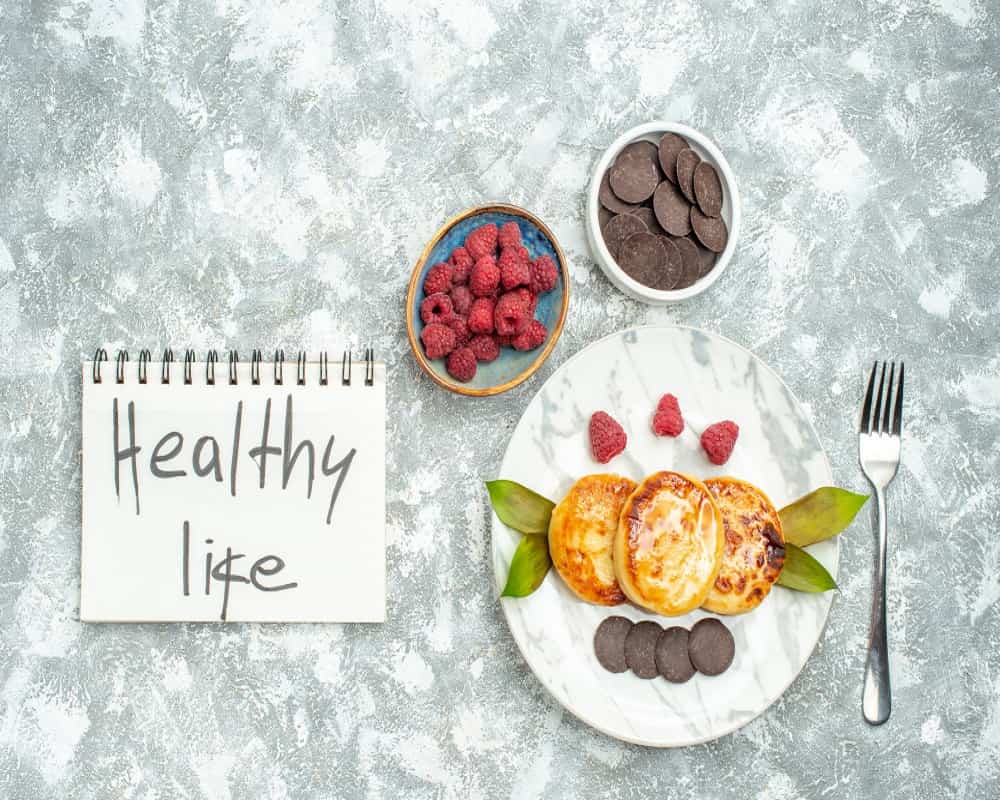
Maintaining good health starts with giving your body the nutrition it needs. Your immune system works every day to protect you against harmful bacteria, viruses, and other microorganisms. To perform its functions properly, it needs essential nutrients from a balanced diet.
Including the best immune system vitamins in your daily meals is a simple way to support normal immune function and overall wellness. Vitamins such as C, D, A, E, and B6 play different roles in maintaining healthy immune cells and protecting body tissues. Fortunately, many foods containing these nutrients are easily available in Indian kitchens.
Let’s explore the important vitamins and foods you can include in your everyday diet to support your natural defence system.
Why Vitamins Are Important for Immune Health
The cells, tissues, and organs that make up your immune system cooperate to defend your body. Vitamins help these components function properly by supporting immune cell activity, maintaining healthy tissues, and protecting cells from oxidative damage.
A lack of essential nutrients can affect normal immune responses. However, consuming more vitamins than your body needs does not automatically provide better protection against infections. A balanced diet containing different food groups is the best starting point for maintaining good nutrition.
Best Immune System Vitamins and Their Food Sources
Vitamin C for Natural Immune Support
Vitamin C is an antioxidant that supports the normal functioning of immune cells. It also helps produce collagen, which maintains healthy skin and tissues that act as protective barriers against harmful microorganisms.
Good food sources include:
- Amla and guava
- Oranges and lemons
- Tomatoes
- Capsicum and broccoli
Adding fresh fruits to your breakfast or including vegetables in your daily meals can help you get sufficient vitamin C.
Vitamin D for Healthy Immune Function
Vitamin D aids in immune response regulation and bone health. Your body can produce this vitamin through sunlight exposure, while certain foods also provide it.
Good food sources include:
- Fortified milk
- Egg yolks
- Fatty fish
- Fortified foods
People with low vitamin D levels may need supplements after consulting a healthcare professional.
Vitamin A for Strong Protective Barriers
Vitamin A helps maintain healthy skin and the lining of the respiratory and digestive systems. These tissues act as natural barriers against harmful microorganisms. It also supports the normal development and functioning of immune cells.
Good food sources include:
- Carrots
- Sweet potatoes
- Spinach
- Pumpkin and papaya
Including colourful fruits and vegetables in your meals is an easy way to obtain vitamin A.
Vitamin E to Protect Healthy Cells
As an antioxidant, vitamin E aids in preventing oxidative damage to bodily cells. It also contributes to normal immune function.
Good food sources include:
- Almonds
- Sunflower seeds
- Peanuts
- Vegetable oils and spinach
A small portion of nuts and seeds can be a nutritious addition to your breakfast or evening snacks.
Vitamin B6 for Normal Immune Activity
Vitamin B6 supports protein metabolism and several processes involved in the normal functioning of immune cells. It is crucial for preserving general health.
Good food sources include:
- Chickpeas
- Bananas
- Potatoes
- Whole grains
- Fish and chicken
Traditional Indian foods such as chana, bananas, and potatoes can help contribute to your daily vitamin B6 intake.
Simple Ways to Include These Vitamins in Your Daily Diet
You do not need an expensive diet plan to get essential vitamins. A few simple changes to your regular meals can improve your nutritional intake.
Start your morning with seasonal fruits such as guava or papaya. Include dal, green vegetables, and fresh salad in your lunch. You can enjoy almonds or sunflower seeds as an evening snack. For dinner, choose a balanced meal with vegetables, whole grains, and a suitable protein source.
Try to include different fruits and vegetables throughout the week rather than depending on just one food. This helps provide a wider range of essential nutrients.
Are Immunity Booster Supplements Necessary?
Most people can get the vitamins they need through a balanced diet. However, individuals with nutritional deficiencies, dietary restrictions, or certain health conditions may require additional supplements.
Products such as immune system booster pills may be considered for specific nutritional needs. Before choosing any supplement, check its ingredients, dosage, and suitability. It is always better to consult a healthcare professional, especially if you take regular medicines.
Remember that supplements cannot replace nutritious food, proper sleep, exercise, or recommended medical care. Taking excessive amounts of certain vitamins can also cause health problems.
Conclusion
Vitamins C, D, A, E, and B6 contribute to different aspects of normal immune function. Including foods rich in these nutrients in your daily diet can help maintain your body’s natural defence system.
Choose a variety of nutritious foods, stay physically active, get sufficient sleep, and follow healthy daily habits. Rather than depending on quick solutions, focus on consistent nutritional choices for better overall wellness.
Frequently Asked Questions (FAQs)
1. Which vitamins are best for immune system health?
Vitamins C, D, A, E, and B6 contribute to different functions of the immune system and support overall health.
2. Which Indian foods are good for immune health?
Amla, guava, oranges, carrots, spinach, papaya, almonds, chickpeas, bananas, and fortified milk are useful food choices.
3. Can vitamins prevent infections?
No vitamin guarantees protection against infections. Adequate nutrition supports normal immune function, but supplements cannot replace preventive healthcare.
4. Is vitamin C important for immunity?
Yes. Vitamin C supports normal immune cell function and helps protect body cells from oxidative damage.
5. Should I take immune system supplements daily?
Not necessarily. Supplements may help when nutritional needs are not being met. Consult a healthcare professional before taking them regularly.