
A robust immune system is crucial for defending your body against common infections and promoting general health. While a balanced diet, regular exercise, quality sleep, and stress management form the foundation of good health, getting enough essential nutrients is equally important. This is where the best immune system vitamins can help fill nutritional gaps and support your body’s natural defense system.
Many people struggle to meet their daily vitamin requirements because of busy lifestyles or poor eating habits. Maintaining healthy daily routines and selecting the appropriate vitamins will help keep the immune system functioning normally all year long.
Why Vitamins Are Important for a Healthy Immune System
The cells, tissues, and organs that make up your immune system cooperate to combat dangerous bacteria, viruses, and other invaders. For effective operation, these immune cells require a number of vitamins and minerals.
The best immune system vitamins help
- Support the production of immune cells
- Protect cells from oxidative stress
- Promote healthy skin, which acts as a protective barrier
- Help the body recover after illness
- Support overall energy and wellness
Although supplements can be beneficial, they work best when combined with a nutritious diet and an active lifestyle.
Best Immune System Vitamins You Should Know
Several vitamins have been studied for their role in supporting normal immune function. Here are some of the most important ones.
Vitamin C
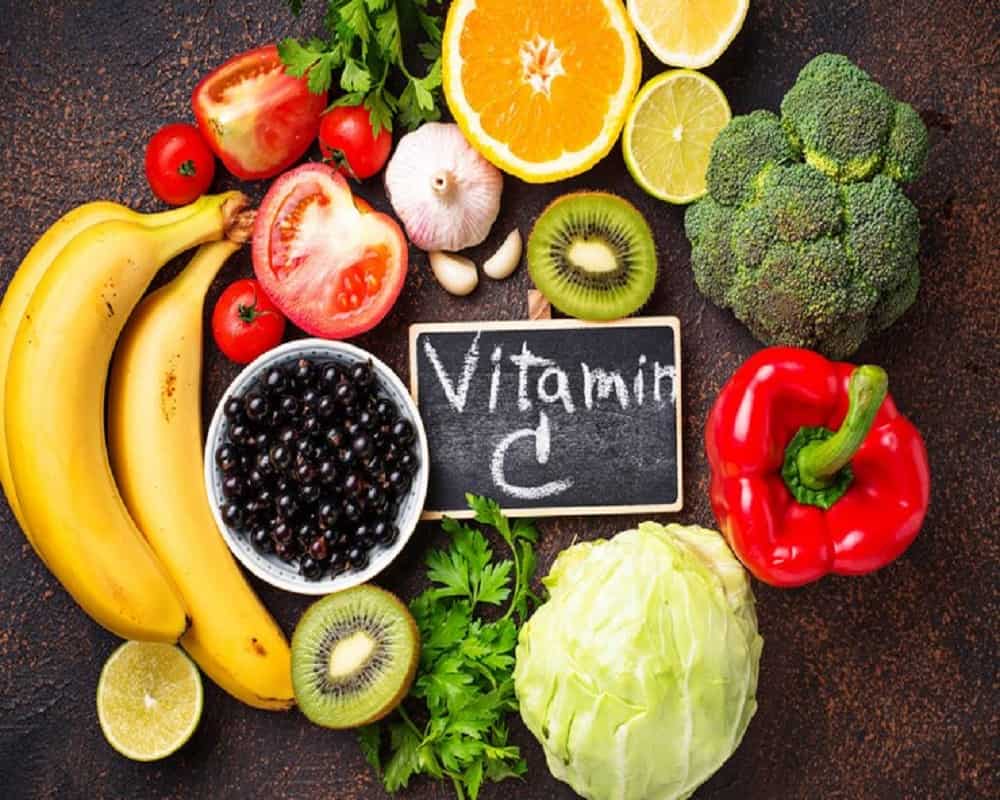
One of the most widely used nutrients for immune system health is vitamin C. It aids in the development and operation of white blood cells, which are vital for the defense against infections.
Good food sources include the following:
- Oranges
- Lemons
- Kiwi
- Guava
- Strawberries
- Bell peppers
- Broccoli
Vitamin C also acts as an antioxidant, helping protect healthy cells from damage caused by free radicals.
Vitamin D
Vitamin D promotes the body’s natural defenses and aids in immune system regulation. Since many people spend limited time outdoors, vitamin D deficiency has become quite common.
Natural sources include the following:
- Sunlight exposure
- Fatty fish
- Egg yolks
- Fortified milk
- Mushrooms
Your healthcare provider may recommend supplementation if your vitamin D levels are low.
Vitamin A
Vitamin A supports healthy skin and the lining of the respiratory and digestive systems, which act as the body’s first line of defense against harmful microorganisms.
Foods rich in vitamin A include:
- Carrots
- Sweet potatoes
- Spinach
- Pumpkin
- Mango
- Liver
Vitamin E
Another potent antioxidant that promotes healthy immunological responses and shields immune cells from oxidative damage is vitamin E.
You can get vitamin E from:
- Almonds
- Sunflower seeds
- Peanuts
- Spinach
- Avocados
Vitamin B6
Vitamin B6 contributes to many chemical reactions involved in immune function and helps produce antibodies that fight infections.
Healthy sources include:
- Bananas
- Chicken
- Fish
- Potatoes
- Chickpeas
- Whole grains
How to Choose the Best Immune System Vitamins
Not every supplement is suitable for everyone. When selecting the best immune system vitamins, consider these factors:
- Look for products from trusted manufacturers.
- Verify if the supplement has important vitamins like B6, C, D, A, and E.
- Read the ingredient list carefully.
- Choose products that follow quality manufacturing standards.
- Avoid taking doses higher than recommended unless advised by a healthcare professional.
- Consult your doctor if you have existing medical conditions, are pregnant, or take prescription medicines.
A balanced multivitamin may be enough for many healthy adults who need nutritional support.
Foods That Naturally Support Immunity
Supplements should never replace healthy eating. A nutrient-rich diet remains the best way to obtain vitamins naturally.
Include these foods regularly:
- Fresh seasonal fruits
- Green leafy vegetables
- Whole grains
- Nuts and seeds
- Yogurt
- Eggs
- Lentils
- Fish
- Beans
Eating a variety of colorful foods ensures your body receives a wide range of nutrients needed for normal immune function.
Healthy Lifestyle Habits That Work Alongside Vitamins
Even the best immune system vitamins cannot replace healthy daily habits. For long-term wellness, combine vitamins with the following practices:
- Sleep for 7 to 9 hours every night.
- Stay physically active.
- Drink enough water throughout the day.
- Manage stress through meditation or yoga.
- Avoid smoking and limit alcohol consumption.
- Wash your hands regularly to reduce exposure to germs.
These simple habits work together to keep your immune system functioning normally.
Are Immune System Supplements Necessary?
Some people can meet all their nutritional needs through a healthy diet. However, supplements may be helpful for individuals with dietary restrictions, poor nutrient intake, older adults, or those diagnosed with vitamin deficiencies.
Before starting any supplement, consult a qualified healthcare professional to determine what your body actually needs. Taking unnecessary supplements may not provide additional benefits.
Conclusion
Supporting your immune system starts with healthy everyday choices. A balanced diet, regular exercise, sufficient sleep, and stress management remain the foundation of good health. When food intake is insufficient, the best immune system vitamins can assist in promoting normal immune function by giving your body the vital nutrients it needs.
If you’re looking for more practical ways to improve your family immune system, focus on nutritious meals, active lifestyles, and proper vitamin intake under professional guidance. Small, consistent habits can make a meaningful difference in maintaining overall wellness.
Frequently Asked Questions
1. Which are the best immune system vitamins?
Because they promote healthy immune function and general well-being, vitamins C, D, A, E, and B6 are some of the finest vitamins for the immune system.
2. Can vitamins prevent infections?
No. Vitamins support the normal functioning of the immune system but cannot guarantee protection against infections. Healthy lifestyle habits remain equally important.
3. Is it better to get vitamins from food or supplements?
Food is the preferred source because it provides a wide range of nutrients. When food intake is inadequate or when a healthcare provider recommends it, supplements might be helpful.
4. Can I take immune system vitamins every day?
Many vitamins can be taken daily according to the recommended dosage. However, always follow the product instructions or consult your healthcare provider before long-term use.
5. How long does it take for immune system vitamins to show benefits?
The timeline varies depending on your nutritional status and overall health. Vitamins support normal body functions over time and work best when combined with a healthy lifestyle rather than as a quick solution.