
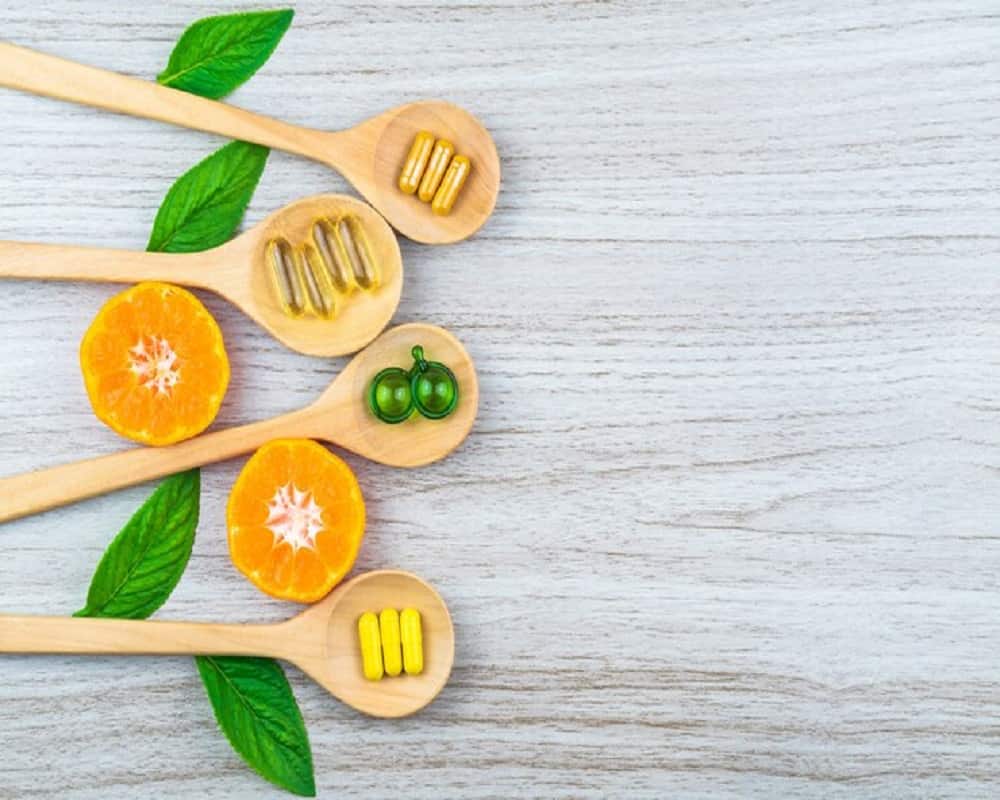
A healthy immune system depends on several factors, including nutrition, sleep, physical activity, and overall lifestyle. While no single ingredient can prevent infections or guarantee stronger immunity, the right food choices can provide essential nutrients that support the body’s natural defence system. Finding the best immune system booster does not always mean buying expensive health products. Many useful nutrients are already present in everyday foods available in Indian kitchens.
From fresh fruits and green vegetables to nuts, seeds, and traditional meals, a balanced diet can help your body receive the nutrients it needs. Let’s explore some everyday food ingredients that can support normal immune function and contribute to better health.
Vitamin C-Rich Foods for Daily Nutrition
Vitamin C is an important nutrient that supports several immune system functions. It also acts as an antioxidant, helping protect cells from damage caused by free radicals.
You do not need to depend only on packaged vitamin products to include vitamin C in your diet. Many affordable fruits and vegetables available in India are naturally rich in this nutrient.
Some good options include:
- Amla: A popular Indian fruit known for its vitamin C content.
- Guava: An easily available fruit that provides vitamin C and dietary fiber.
- Oranges: A refreshing source of vitamin C.
- Lemon: An easy ingredient to add to salads, water, and meals.
- Capsicum: A versatile vegetable that can be included in several dishes.
Adding seasonal fruits and vegetables to your meals is a simple way to improve your daily nutrient intake.
Protein-Rich Foods for Immune Function
The development and maintenance of bodily tissues depend on protein. It also helps the body produce antibodies and other components involved in immune responses.
A diet that does not provide enough protein may affect normal immune function. Fortunately, Indian meals offer several affordable protein sources for vegetarians and non-vegetarians.
Consider including these foods in your regular diet:
Dal and pulses: Moong dal, masoor dal, chana, and rajma provide plant-based protein and other nutrients.
Dairy products: Milk, curd, and paneer contribute protein and other essential nutrients.
Nuts and seeds: Almonds, peanuts, pumpkin seeds, and sunflower seeds offer protein along with healthy fats.
Eggs and fish: These provide high-quality protein and can be included according to individual food preferences.
Combining different protein sources throughout the week can help maintain a balanced diet.
Zinc and Antioxidant-Rich Ingredients
Zinc is a mineral involved in the normal development and functioning of immune cells. Getting enough zinc through food is important for maintaining overall health.
Some everyday foods that provide zinc include pumpkin seeds, chickpeas, beans, nuts, and whole grains. These ingredients are easy to incorporate into Indian meals and snacks.
Antioxidants are also important because they help protect cells from oxidative damage. Colourful fruits and vegetables contain different antioxidant compounds.
For example, carrots and sweet potatoes provide beta-carotene, which the body can convert into vitamin A. Spinach and other leafy vegetables also provide several vitamins and minerals.
Try adding a mixture of colourful vegetables to your lunch and dinner rather than relying on only one type.
Include Gut-Friendly Foods in Your Diet
Your immune system and digestive system are intimately related. A vast community of microorganisms that interact with the body’s immune system and support digestive health can be found in the gut.
As part of a balanced diet, some fermented foods may promote gut health because they contain helpful microbes.
Here are some familiar Indian food choices:
- Plain curd: Contains live cultures when prepared with active bacterial cultures.
- Buttermilk: A refreshing dairy drink that can be part of a balanced meal.
- Idli and dosa: Fermentation is an important part of their traditional preparation.
- Fermented vegetables: Certain traditionally fermented preparations may contain beneficial microorganisms.
These foods can add variety to your meals. However, their nutritional and probiotic content can vary depending on preparation and storage methods.
Traditional Indian Ingredients That Add Nutritional Value
Many common Indian kitchen ingredients are valued for their flavour and nutritional properties. Turmeric, ginger, garlic, and cinnamon are regularly used in traditional cooking.
Turmeric contains curcumin, a naturally occurring plant compound studied for its biological properties. Ginger contains compounds called gingerols, while garlic provides sulfur-containing compounds.
You can use these ingredients in everyday preparations such as dal, vegetable curries, soups, and homemade meals. They contribute plant chemicals to your diet while adding taste and diversity.
However, these ingredients should not be considered medicines or replacements for prescribed treatment. Their presence in a meal does not guarantee protection from infections.
Are Supplements Needed for Better Immune Health?
A balanced diet is generally the preferred way to meet nutritional requirements. However, certain individuals may need supplements because of nutritional deficiencies, dietary restrictions, health conditions, or specific life stages.
Products marketed as the best immune system booster may contain vitamins, minerals, or herbal ingredients. Before choosing immune system booster pills, check the ingredient list, dosage, and suitability for your age and health needs. Replace the placeholder link with the URL of your related blog post before publishing.
Taking large amounts of vitamins or minerals does not automatically improve immunity. Excessive supplementation can sometimes cause side effects or interact with medicines. It is better to consult a qualified healthcare professional before starting supplements.
Conclusion
Supporting immune health begins with consistent and sensible food choices. Vitamin C-rich fruits, protein sources, zinc-containing foods, colourful vegetables and fermented products can all contribute useful nutrients to a balanced diet.
The best immune system booster is not necessarily a single ingredient or supplement. A varied diet, sufficient sleep, regular physical activity, and good hygiene work together to support normal immune function. Focus on eating fresh, nutritious meals and maintaining healthy habits rather than searching for an instant solution.
Frequently Asked Questions
What is the best immune system booster found in everyday foods?
There isn’t just one ideal food to boost immunity. Nutrients that support healthy immune function are found in a balanced diet that includes fruits, vegetables, foods high in protein, nuts, seeds, and whole grains.
Which Indian fruit is rich in vitamin C?
Amla, guava, and oranges are good sources of vitamin C. Including a variety of seasonal fruits can help improve your daily nutrient intake.
Do turmeric and ginger help support immune health?
Turmeric and ginger contain naturally occurring plant compounds with biological properties. They can be included in a balanced diet, but they should not be treated as medicines or guaranteed immunity boosters.
Are immune system booster pills necessary?
Not everyone needs supplements. They may be useful for people with nutritional deficiencies or specific health requirements. Consult a healthcare professional before taking them.
Can food alone prevent infections?
No. A nutritious diet supports normal immune function but cannot guarantee protection against infections. Vaccination, personal hygiene, adequate sleep, and appropriate medical care are also important.