
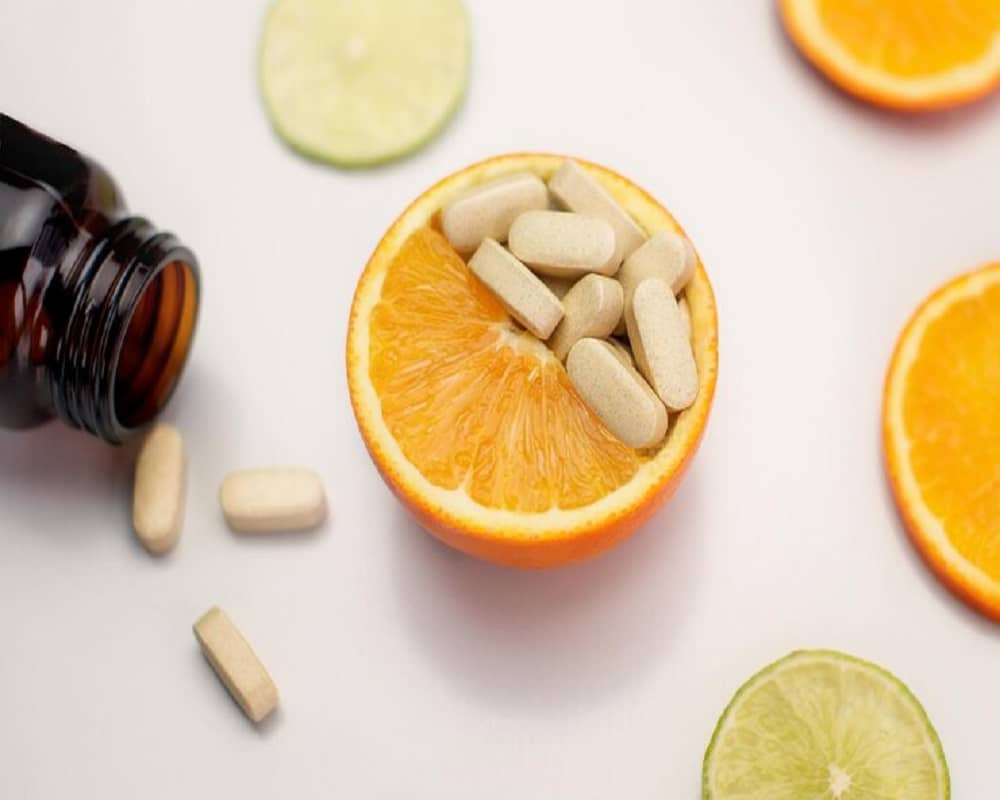
Maintaining good health is closely linked to the choices we make every day. A balanced diet, regular physical activity, enough sleep, proper hydration, and stress management all contribute to overall wellness. Along with these healthy habits, some people choose dietary supplements to support their nutritional needs. Immune system booster pills are one option commonly considered as part of a daily wellness routine.
While supplements can provide nutritional support, they should not replace a healthy diet or professional medical advice. Understanding their role can help you make better and more responsible choices for your everyday health.
Understanding the Immune System
The immune system is a complex network of cells, tissues, organs, and biological processes that helps protect the body and maintain normal health. It depends on many factors, including adequate nutrition and a healthy lifestyle.
The body needs a variety of vitamins, minerals, proteins, and other nutrients to perform its normal functions. This is why maintaining a balanced and varied diet is one of the most important steps toward supporting general wellness.
What Are Immune System Booster Pills?
The term “immune system booster pills” generally describes dietary supplements that are marketed to provide nutritional support for normal immune function. Depending on the product, these supplements may contain vitamins, minerals, herbal ingredients, or a combination of nutrients.
Since every product has a different formulation, it is important to read the label carefully. Check the ingredients, serving size, recommended dosage, and any precautions before using a supplement.
It is also important to remember that no supplement can guarantee protection from infections or replace appropriate medical treatment.
Why Nutritional Support Is Important
The immune system requires several nutrients to function normally. Vitamins such as C, D, A, and E, along with minerals such as zinc and selenium, are associated with normal immune function and other important processes in the body.
Many of these nutrients can be obtained through everyday foods. Fruits, vegetables, pulses, whole grains, nuts, seeds, dairy products, and suitable protein sources can all contribute to a nutritious diet.
When a person’s diet does not provide enough of a particular nutrient, supplementation may sometimes be appropriate. However, the need for a supplement depends on individual nutritional requirements.
How Immune Supplements Fit Into Daily Wellness
An immunity-focused supplement should be considered one part of a healthy lifestyle rather than a quick solution. Taking a supplement while ignoring diet, sleep, exercise, or other healthy habits is unlikely to provide a complete approach to wellness.
For example, a person may include an appropriate supplement in their routine while also eating balanced meals, staying active, drinking enough water, getting adequate sleep, and managing daily stress.
This balanced approach helps make wellness more sustainable in the long term.
Benefits of Using Nutritional Supplements
The usefulness of a supplement depends on its ingredients and the individual’s nutritional needs. When used appropriately, supplements may help complement the diet and provide nutrients that may otherwise be difficult to obtain in sufficient amounts.
They can also be convenient for people with busy lifestyles or specific dietary restrictions.
However, taking more supplements does not always mean better health. Excessive amounts of certain vitamins and minerals can have unwanted effects. That is why recommended serving sizes should always be followed.
Immune Supplements vs Multivitamins
Some people compare immunity-focused products with broader supplements such as multivitamin and multimineral capsules.
Multivitamin and multimineral products generally provide a combination of different vitamins and minerals, while immunity-focused supplements may concentrate on selected nutrients or ingredients associated with immune support.
There is no single product that is suitable for everyone. The better choice depends on your diet, nutritional requirements, and the specific formulation of the supplement. If you use more than one supplement, check the labels to avoid unnecessary overlap.
Healthy Habits to Support Immune Wellness
Supplements can complement healthy habits, but the basics should remain the priority.
Eat a Balanced Diet
Include a variety of vegetables, fruits, whole grains, pulses, nuts, seeds, and protein-rich foods in your meals.
Stay Active
Regular physical activity can support overall health and help maintain a healthy lifestyle.
Get Enough Sleep
A consistent sleep routine is important for physical and mental well-being. Aim to maintain healthy sleep habits as part of your daily routine.
Stay Hydrated
Drink enough fluids throughout the day to support normal body functions, especially during hot weather or physical activity.
Manage Stress
Simple activities such as walking, relaxation exercises, hobbies, and spending time with family or friends can help maintain emotional well-being.
Choosing Immune System Booster Pills Carefully
Before purchasing immune system booster pills, look beyond attractive packaging or strong marketing claims. Check the ingredient list and understand what the product contains.
Choose products that provide clear information about their formulation, recommended use, and manufacturer. Be cautious of products that promise guaranteed immunity, instant results, or prevention and treatment of diseases.
If you already use other supplements or medicines, check for possible overlapping ingredients or interactions.
Who Should Seek Professional Advice?
Supplements may not be suitable for everyone. Pregnant or breastfeeding individuals, children, people taking regular medicines, and those with existing health concerns should seek appropriate professional guidance before starting a new supplement.
A healthcare professional can help determine whether supplementation is necessary and whether a particular product is suitable for your needs.
Build a Long-Term Wellness Routine
Good health is not built around one pill or one nutrient. It comes from consistent habits maintained over time. A nutritious diet, regular movement, enough sleep, hydration, and stress management should remain the foundation of your wellness routine.
When appropriate, a dietary supplement can be added to complement these habits. Making informed choices and understanding the purpose of a product can help you use supplements more responsibly.
Conclusion
Immune system booster pills can be considered as part of a broader approach to daily nutritional support. Their usefulness depends on their ingredients and the individual’s nutritional requirements.
Rather than relying on a single supplement, focus on a balanced lifestyle supported by nutritious food, regular exercise, adequate sleep, hydration, and healthy daily habits. Before starting any supplement, read the label carefully and seek professional guidance when necessary.
FAQs
1. What are immune system booster pills?
Immune system booster pills are dietary supplements marketed to provide nutritional support related to normal immune function. Their ingredients and formulations vary between products.
2. Can immune system booster pills prevent illness?
No supplement should be considered a guaranteed way to prevent infections or illnesses. Supplements are intended to support nutrition and normal body functions.
3. Can I get immune-supporting nutrients from food?
Yes. A varied diet containing fruits, vegetables, pulses, whole grains, nuts, seeds, and suitable protein sources can provide many essential nutrients.
4. Can I take immune supplements with multivitamins?
It depends on the ingredients in both products. Check the labels carefully because some products may contain the same vitamins or minerals.
5. Should everyone take immune system supplements?
No. The need for supplements differs from person to person. Diet, age, lifestyle, and individual nutritional requirements should be considered.